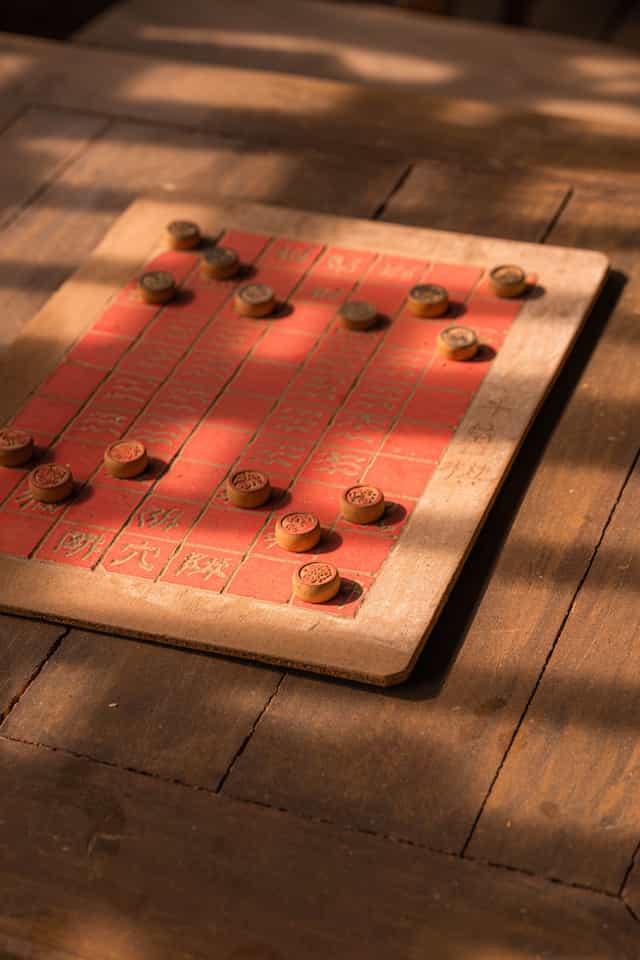
The Building
The space that now stands as Lingkaran was once home to the founded by my grandfather (Tan Hoh Heng)and uncles. Back in the day, this street was lined with wood processing facilities; now, only two remain operational. In 1950, my grandfather began working as a wood laborer at 21 years old, diligently learning the skills of the trade. Through relentless perseverance, numerous setbacks and failures, his dedication eventually led to the establishment of his family’s own wood processing facility. Today, the building’s original exterior structure has largely been preserved. You'll also notice the extensive use of recycled wood throughout the space. This wood is a testament to a significant historical shift in Malaysia's urban landscape.
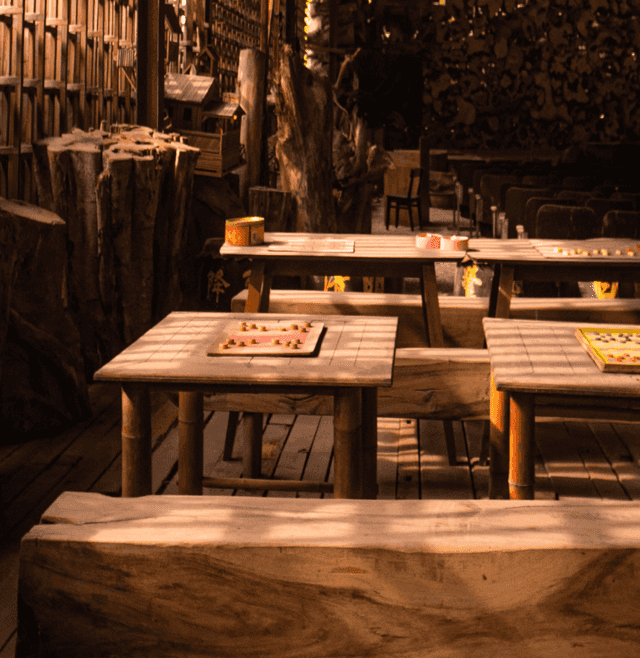
During the British colonial period, rain trees were commonly planted along streets in Malaysia, valued for their shade and ornamental appeal. However, as urbanization progressed and road expansions became necessary, many of these trees were removed. The wood from these rain trees, initially discarded as it was not considered valuable, found new life thanks to one of my uncle, Tan Kai Lek’s foresight. Recognizing its potential, he rescued the wood from being wasted and repurposed it into the furniture, exterior decorations, and walls you see today. This repurposed wood serves as a bridge between past and present, reflecting both the historical and evolving character of the space.
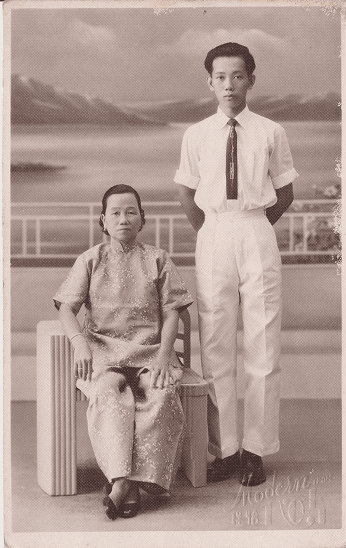
Early Timber Days (1957)
At 18, my grandfather, Tan Hoh Heng, began work as a laborer at Yap Yun Kee Sawmill in Menglembu. The timber trade was booming, driven by demand from construction and tin mining. Everything was done manually. Logs were unloaded from lorries and carried on shoulders. Sawmills like Yap Yun Kee turned raw logs into beams, planks, and supports used across the country.
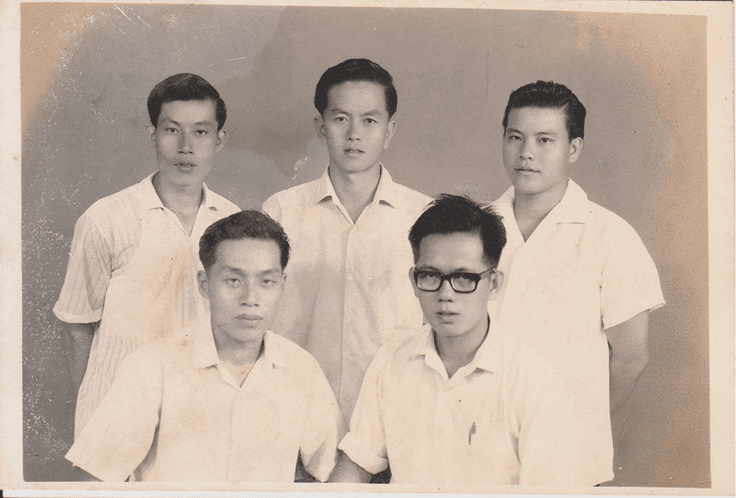
A First Venture in Parit (1962–1964)
After gaining experience, he partnered with a friend, Ah Yun, to open a small sawmill in Parit, Ipoh. In 1964, a major flood destroyed the riverside factory and nearby bridges. With the land and infrastructure severely damaged, the business was unable to recover.
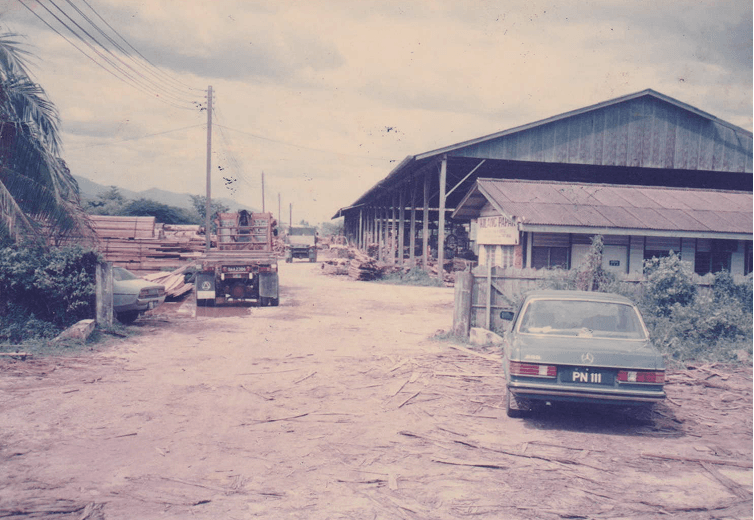
Renting and Rebuilding (1965)
He continued working in timber by renting and operating from several mills, including Zhen Yuan Timber Company and Kilang Papan Ahmat Sapawi. At the time, it was common for sawmill operators to move between different sites, renting space as needed. These years reflected the volatility of the industry and the realities of working across shared facilities.
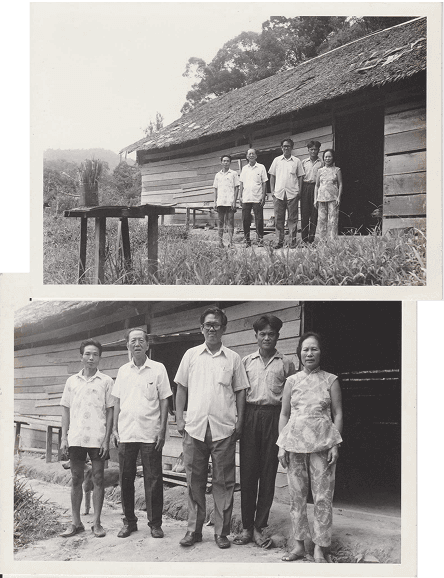
Logging Visit in Beraus (1969)
Logging and sawmilling were usually handled by separate companies. Here, my grandfather is seen visiting a logging site in Beraus, where timber was sourced. These visits were crucial for building supplier relationships and ensuring consistent supply.
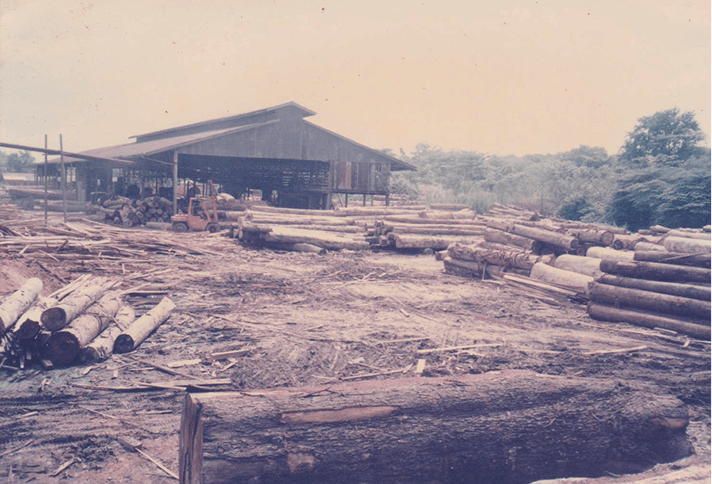
The Global Recession and a Turning Point (1984)
The global recession in 1984 hit Malaysia's timber industry hard. Timber prices collapsed, demand slowed, and many small mills closed. Zhen Yuan, one of the factories my family rented, was forced to shut down. Refusing to give up, my grandparents, Tan Hoh Heng and Leong Lee Seng, pooled their savings to take over the site and founded Keong Lik Timber Industries, creating a permanent base for the business.
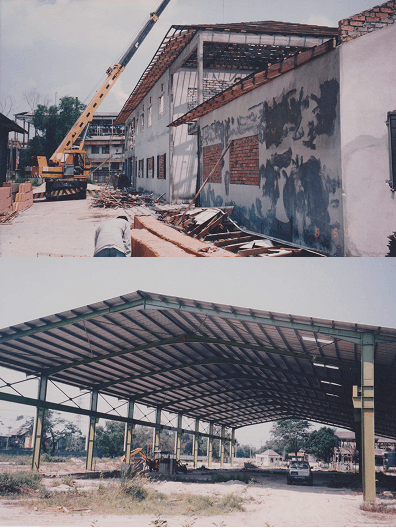
A New Generation Joins (1991)
The four sons — Tan Kai Kiang, Tan Kai Lek, Tan Khai Wei, and Tan Kai Meng — returned to Ipoh to support their father. Tan Kai Kiang, who led Keong Lik Industries, saw potential in a nearby plot and helped the family take a major step forward by building their first permanent sawmill. The infrastructure and buildings still standing today were constructed during that time.
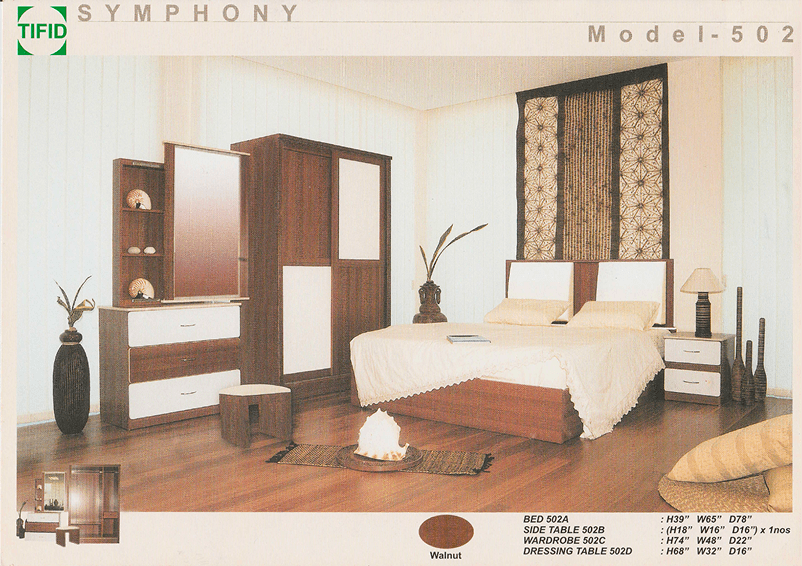
Expanding into Wood Products: Bukit Merah Wood (2000)
Rather than sticking solely to sawmilling, the family saw room to experiment. Under Tan Kai Lek, Keong Lik Timber Industries launched Bukit Merah Wood Products (BMW), creating doors, furniture, and other decorative wood items.
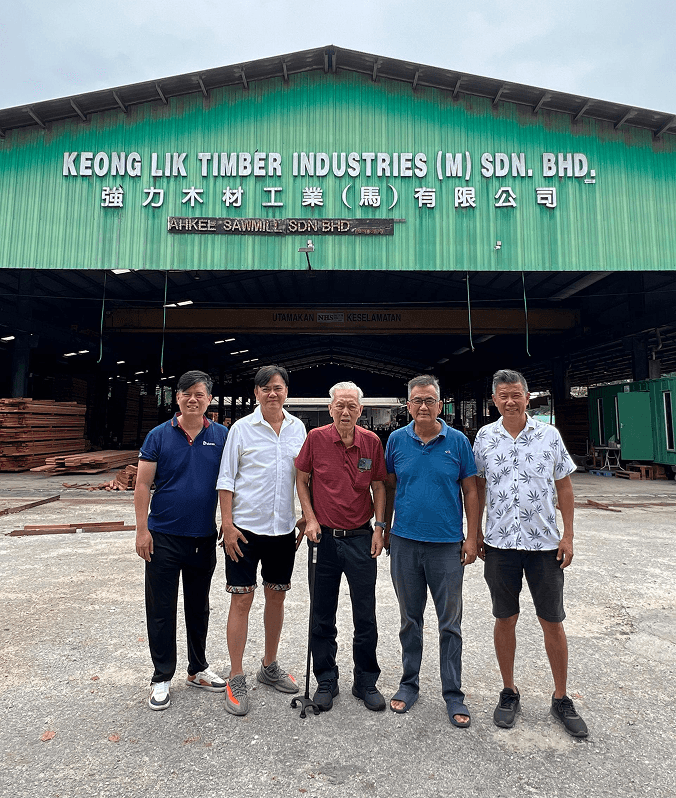
Closing the Sawmill (2019)
With rising concerns around deforestation and more restrictive logging policies, small-scale sawmilling became less viable. The family made the decision to close down mill operations, bringing Keong Lik Timber Industries to a close after nearly 30 years.
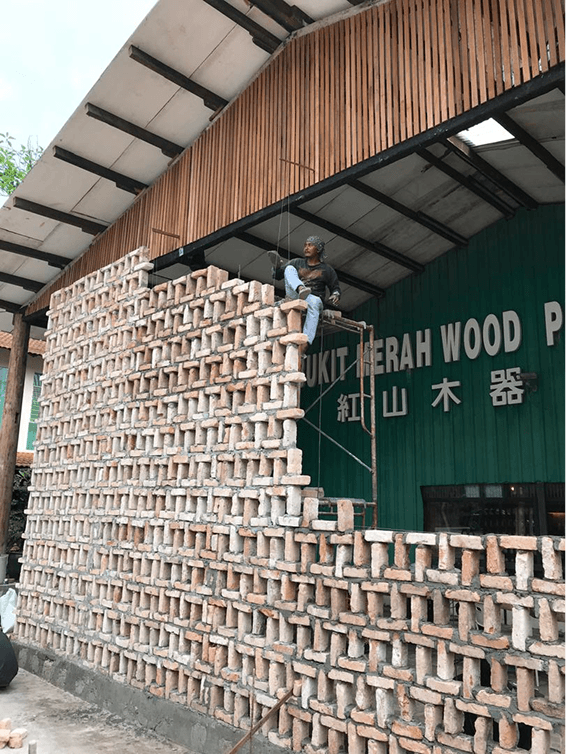
The Factory's First Return (2021)
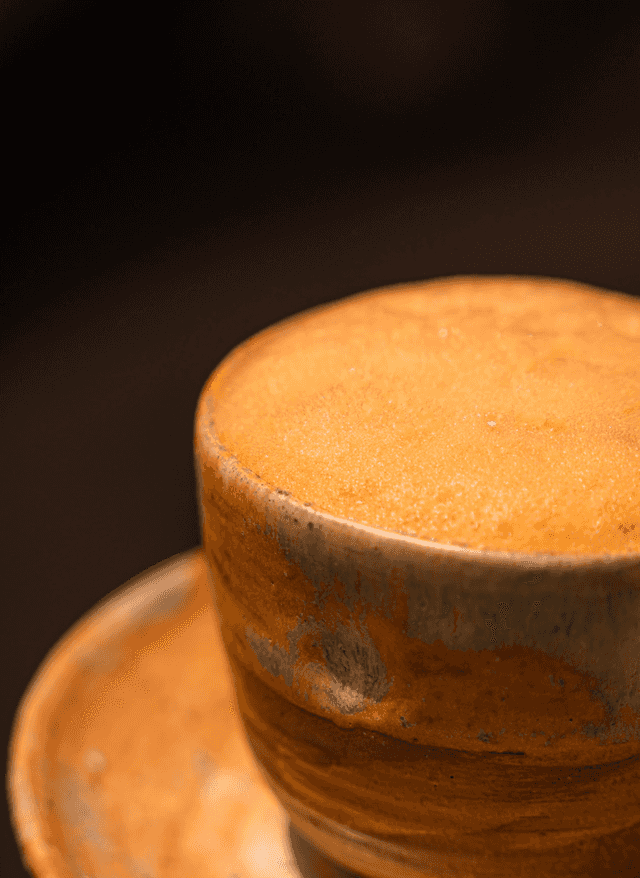
During lockdown, Tan Kai Lek collaborated with Sun Yin Loong Coffee to bring coffee culture into the industrial setting of the factory. He designed an open-air space using salvaged brick and recycled rain tree wood to create a space rich in character and raw materiality.
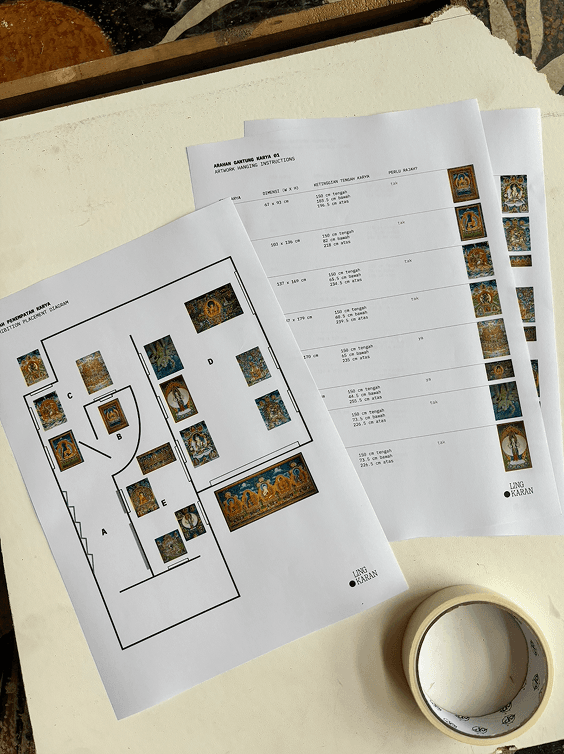
Returning to Rebuild (2025)
The factory has reopened informally — a coffee shop, a stage, but no clear sense of what the space is becoming. In 2025, I return to help give it shape — not just physically, but in identity and direction. This marks the start of Lingkaran.